THE DETAILS BEHIND THE RESULT
A little context.
A clearer calculation.
Practical guides to choosing a calculator and understanding what its numbers mean. Written by Dosii, the maker of a paid iPhone calculator.
Start with an explanation
Understand the labels
mg, mcg, mL and units. What’s the difference?
Two kinds of quantity, four familiar labels. See why concentration is the missing connection.
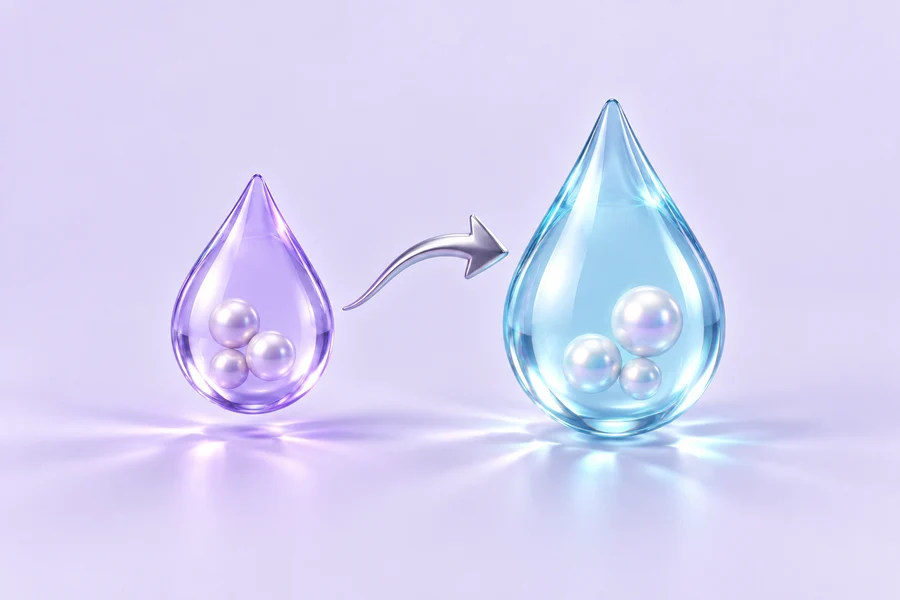
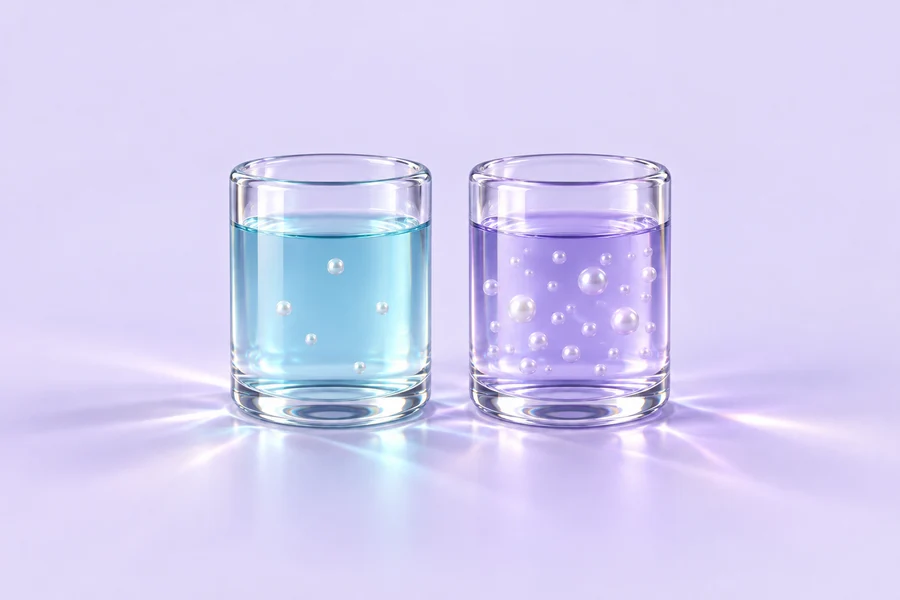
Try the visual
Same amount. More liquid. What changes?
Keep the amount fixed and spread it through more volume. Watch what happens to each portion.
Inside Dosii
Your calculation. Kept on your iPhone.
Name a setup and restore it next time. See what stays local, what works offline and how the free tool differs.
Free tools
Free tool
Peptide calculator
Enter your vial, water and dose to see the units on a U-100 syringe, with the math shown step by step.
Free tool
Syringe units converter
Convert mg or mcg to units on a U-100 syringe, or units back to mg and mL, for a concentration you enter.
Printable
Peptide cheat sheet
Units, the two formulas, a reconstitution chart and syringe capacities on one printable page.
Guides
Before you buy
Best peptide calculator: free tools vs paid apps
Free tools, focused calculators and tracking apps solve different problems. Compare the tradeoffs.
Inside Dosii
Understand the inputs. See the result.
A screen-by-screen introduction to the calculation, visual scale and what the app remembers.
Check the arithmetic
Peptide units, concentration and rounding explained
Follow one example from mg and mcg to concentration, exact volume and rounded displays.
Three ideas that make every calculation easier
- Mass and volume are different quantities.
- mg and mcg describe how much peptide there is. mL describes how much liquid. 1 mg equals 1,000 mcg, but neither tells you a volume on its own.
- Concentration connects them.
- Dividing the vial amount by the water you added gives the concentration. The same dose takes more liquid when there is more water in the vial, and less when there is less.
- A syringe unit is a volume.
- On a U-100 insulin syringe, 100 units equal 1 mL, so one unit is 0.01 mL. 30, 50 and 100-unit syringes share this scale and differ only in capacity.
Want to check a number now? The free peptide calculator shows each step of the arithmetic, and the reconstitution chart lists how much is in each unit for common vial sizes.
These guides explain product choices and arithmetic. They do not determine a dose or provide treatment instructions.